New York Construction Report staff writer
Lower Manhattan has undergone a major construction and redevelopment transformation in the 25 years since the Sept. 11, 2001 terrorist attacks, evolving from a predominantly office district into a mixed-use community with new housing, transportation infrastructure, cultural facilities and public spaces.
A new report from New York State Comptroller Thomas P. DiNapoli examines the economic and demographic changes in Lower Manhattan since the attacks, highlighting the extensive public and private construction that has reshaped the area.
The district’s population more than doubled from 32,446 in 2000 to 70,761 in 2024. Housing units increased from 21,337 in 2002 to 46,194 at the beginning of 2026, with office-to-residential conversions and zoning changes contributing to the growth.
Another 5,328 permitted housing units are in the pipeline, nearly all in the Financial District. The transformation has been supported by several major transportation and infrastructure projects.
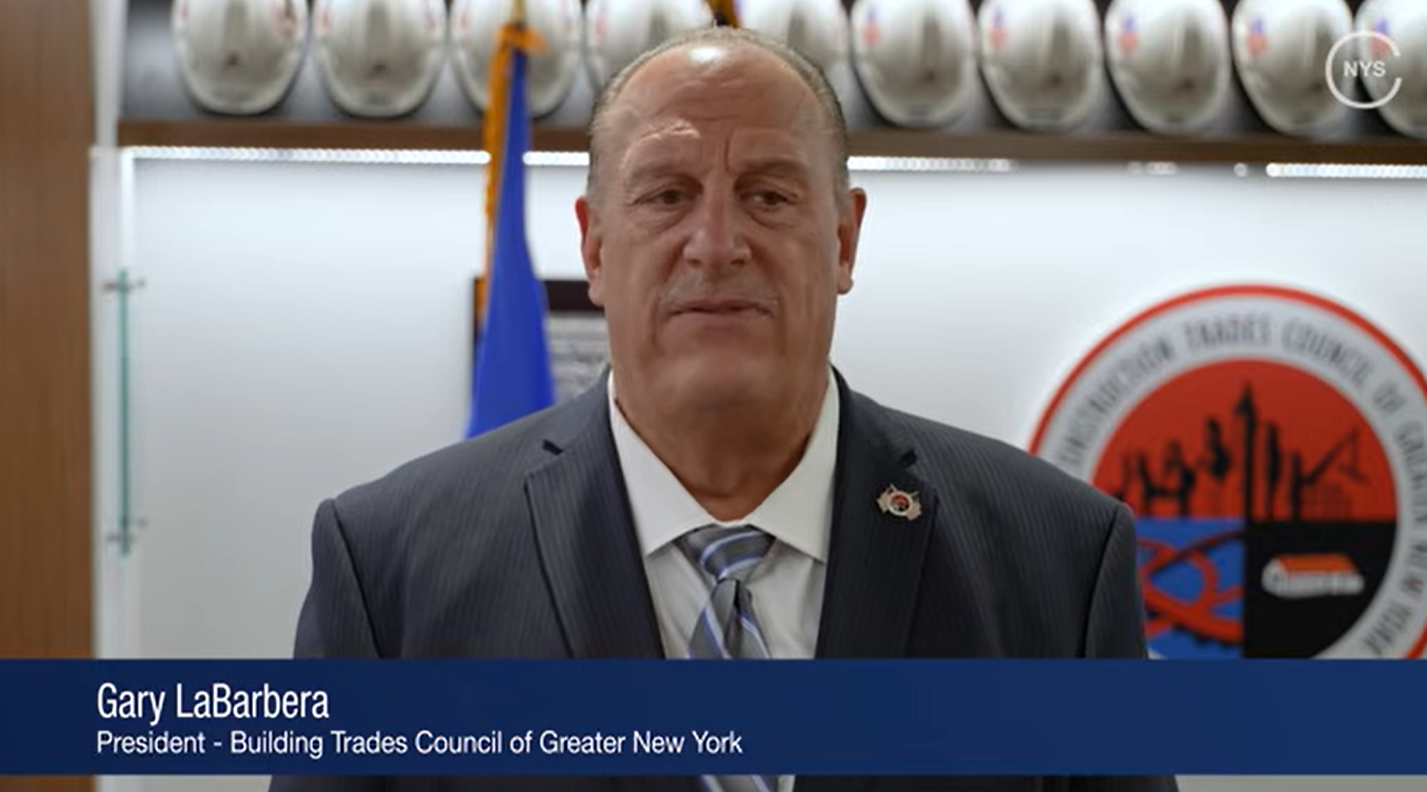 “Lower Manhattan’s transformation from Ground Zero to a massive cultural and economic hub over the 25 years since the September 11 terror attacks is a testament to New York City’s strength, resilience, and intrepidity in the wake of disaster and unthinkable tragedy,” said Gary LaBarbera, President of the Building and Construction Trades Council of Greater New York. “Particularly, it is a reflection of the dedication of hard-working, middle-class people, many of whom have been at the center of these recovery efforts from the very beginning, to this city and our country.
“Our tradesmen and tradeswomen are proud to be amongst those individuals who have played such an important role in helping this neighborhood literally rise from the ashes and become a symbol of American grit and perseverance.”
The $1.4-billion Fulton Transit Center improved connections among several subway lines, while the $4-billion World Trade Center Transportation Hub, including the Oculus, created a major new transit and pedestrian complex at the rebuilt World Trade Center site.
Ferry terminal upgrades have also improved access to Lower Manhattan, while ongoing coastal resiliency projects are addressing the area’s vulnerability to flooding, rising sea levels and severe weather.
Private and public-private development has added cultural and recreational facilities to the district. Among the major projects is the $560-million Perelman Performing Arts Center, while the redevelopment of the South Street Seaport and Pier 17 has created new retail, dining, entertainment and public spaces.
The district’s construction activity has accompanied a broader shift in its economic base.
Private-sector employment reached 257,187 in 2024, up 6.4 per cent from 2000. Finance accounted for 48.5 per cent of employment in 2000 but represented 33.6 per cent in 2025. Business services increased to 30.5 per cent of employment, while leisure and hospitality and educational services also expanded.
The growth in residential construction has helped turn Lower Manhattan into a 24-hour community rather than a traditional business district.
Median household income reached at least $200,000 in 2024, a 55 per cent increase from 2014. Median gross rents exceeded $3,500, reflecting the high cost of housing in the rapidly redeveloped district.
Tourism has also become an important part of Lower Manhattan’s economy. The area recorded 10.3 million visitors in 2025, although that remained below pre-pandemic levels.
At least 41 hotels operate in Lower Manhattan, providing 7,928 rooms, with another 346 rooms in the development pipeline.
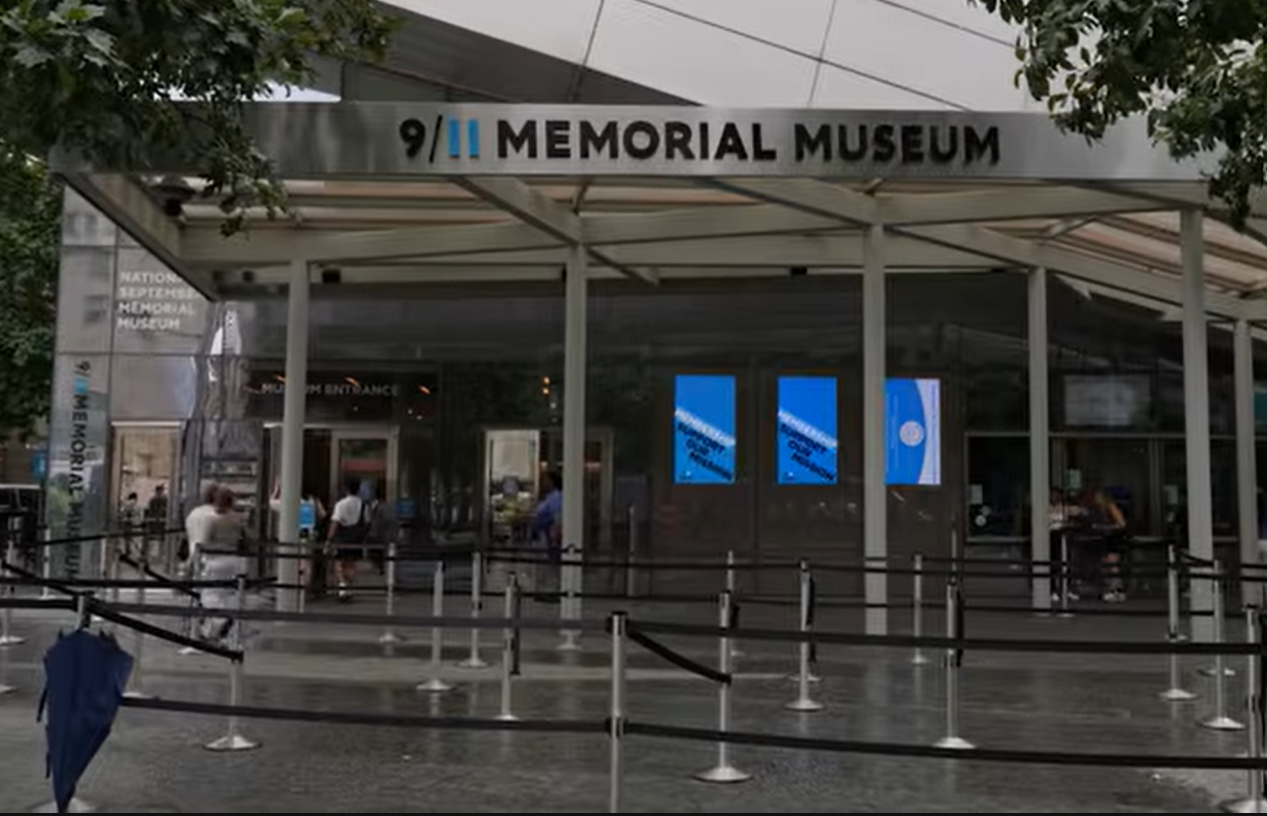
The 9/11 Memorial & Museum remains a central component of the rebuilt World Trade Center area. In 2025, the memorial received 11.3 million visitors while the museum recorded 2.4 million.
The museum’s collection includes more than 82,000 artifacts from the 1993 and 2001 attacks. More than 94,000 9/11 family members, survivors, first responders, active and retired military personnel, Lower Manhattan residents and students received free admission last year.
The Lower Manhattan Coastal Resilience Strategy is guiding ongoing infrastructure work aimed at protecting the district from rising sea levels and climate-related flooding.
Twenty-five years after the attacks, the construction of new homes, transportation infrastructure, cultural facilities and resilient public spaces has fundamentally changed Lower Manhattan while preserving the World Trade Center site as a place of remembrance.