New York Construction Report staff writer
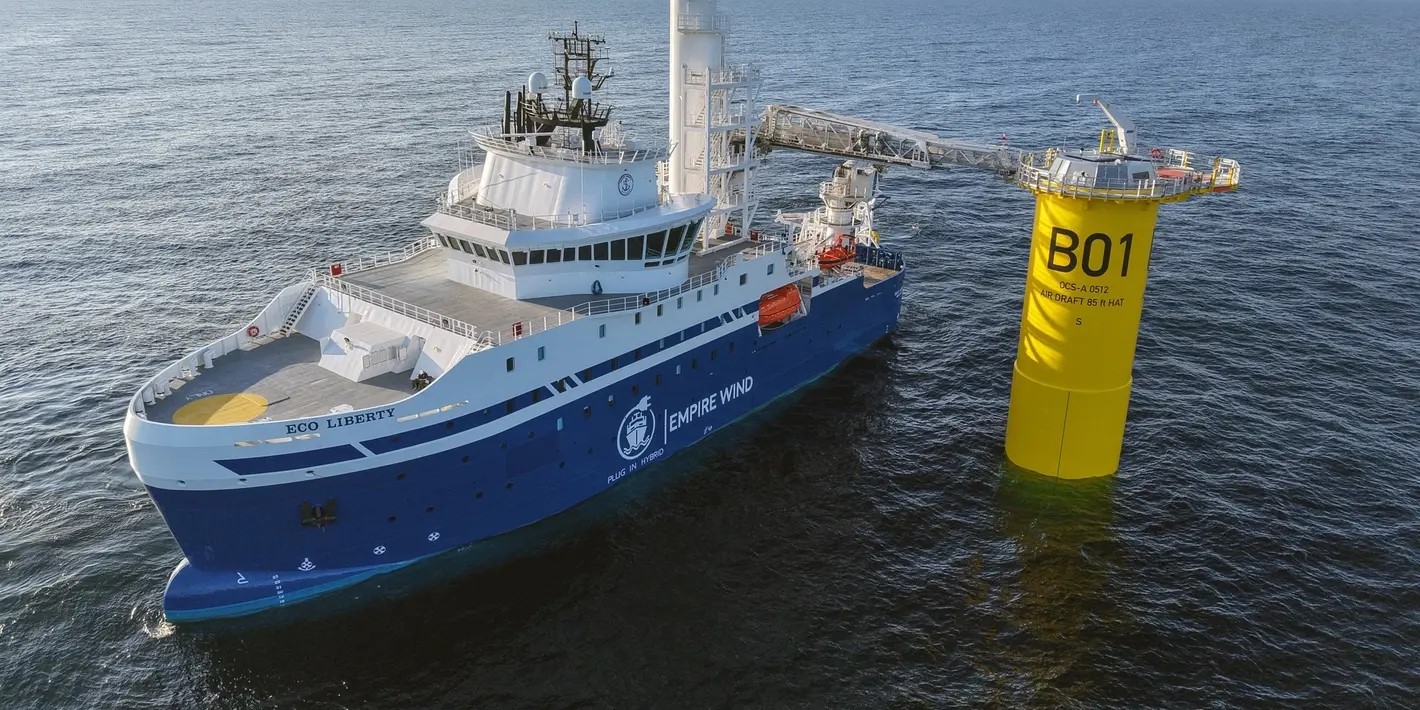
A federal judge granted a preliminary injunction Thursday allowing construction to resume on the Empire Wind 1 offshore project. The ruling blocks a federal government-ordered work stoppage that developers warned could end the multibillion-dollar venture.
U.S. District Judge Carl J. Nichols issued the ruling in the U.S. District Court for the District of Columbia, stating that Equinor’s Empire Offshore Wind LLC would “suffer imminent irreparable harm” if the project remained frozen.
The decision halts a Dec. 22, 2025, order from the Department of the Interior that stopped construction on five major East Coast wind farms, citing classified national security concerns.
Equinor filed a civil suit Jan. 2, arguing the project was “days away” from cancellation. The company told the court that specialized installation vessels were scheduled to leave for other international jobs by Jan. 16 if the suspension was not lifted.
“Empire Wind will now focus on safely restarting construction activities that were halted during the suspension period,” the company said in a statement. “The project will continue to engage with the U.S. government to ensure the safe, secure, and responsible execution of its operations.”
The project, located off the coast of Long Island, is more than 60% complete. It represents a $4 billion investment, with $2.7 billion already drawn under project financing. Once finished, it is expected to provide electricity to approximately 500,000 New York homes.
Equinor had estimated that a permanent termination of the project would result in losses exceeding $5.3 billion, including $850 million in contract termination fees and $355 million to dismantle existing assets.
The ruling is the second legal setback for the administration’s offshore wind freeze this week. On Jan. 12, a judge granted a similar injunction to the Revolution Wind project off the coast of Rhode Island and Connecticut.
Three other projects remain under the federal suspension order. The Interior Department did not comment on the ruling.